Pre-Job Planning
- Underground utility location and support
- Adjacent structures, surface loads and traffic
- Weather, water and hazardous-atmosphere planning
- Equipment, access and emergency considerations

OSHA & Workplace Safety • Private Onsite or Live Online
Practical instructor-led hazard-recognition training for employees and supervisors who plan, inspect, enter, work near or support excavation and trenching operations.
Choose a two-hour private onsite or live-online class at $99 per paid participant, or a four-hour private onsite or live-online class at $125 per paid participant. Both require a minimum charge for seven participants, even when fewer attend. An eight-hour, private-onsite practice day is $200 per paid participant, with a seven-paid-participant minimum even if fewer attend; additional participants and applicable travel are added to Cindy’s quote. No one enters a trench or excavation as part of TBT training.
Two hours: $99. Four hours: $125. Eight hours onsite: $200 per paid participant. Every private class has a seven-paid-participant minimum, even if fewer attend. Cindy adds participants above seven and any applicable travel to the quote.
The eight-hour version adds supervised above-ground practice and is delivered onsite only. No class includes trench or excavation entry.
Choose either format for the two- or four-hour class. The eight-hour practice day is private onsite only at $200 per paid participant; Cindy calculates the seven-paid minimum and any travel charge.
Larger groups or materially customized scopes require advance review and a written proposal.
Important regulatory context
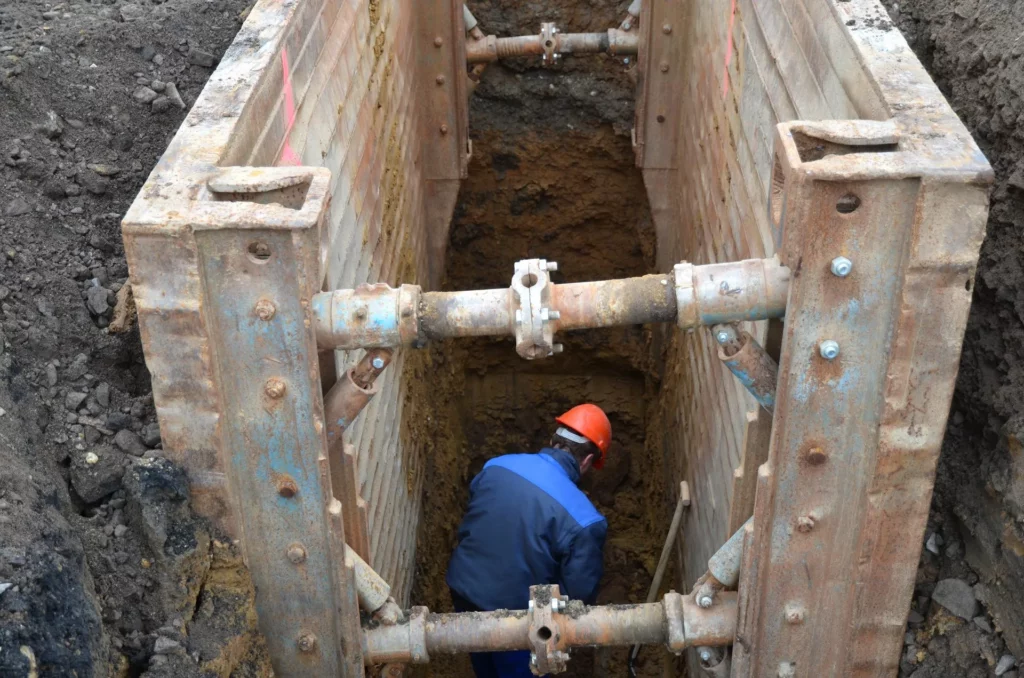
OSHA’s excavation requirements are contained in 29 CFR 1926 Subpart P. Excavations include trenches, and the hazards extend beyond cave-ins to underground utilities, adjacent structures, mobile equipment, water, hazardous atmospheres, access and changing soil or weather conditions.
The course helps participants understand the questions that must be answered before and during the work. It does not replace the competent person’s inspections, protective-system selection, engineering where required or the employer’s site-specific planning. Any onsite observation or demonstration stays outside the trench or excavation; neither learners nor the instructor enter as part of this course.
By the end of the course, participants will work toward the ability to:
The following information helps Tampa Bay Training align the class with the organization without implying that a short course replaces the employer’s program responsibilities.
No. The employer must designate a person who has the required knowledge and authority for the work. Course completion by itself is not a designation.
No. Protective-system selection must follow the applicable standard, manufacturer or tabulated data, and professional engineering requirements.
Yes. TBT can adapt examples to the client’s work. Material research, custom curriculum or project-specific deliverables require an additional quote.
The two- and four-hour classes may be private onsite or private live online. The eight-hour class includes supervised above-ground practice and is onsite only. No format includes trench or excavation entry during training.
Cindy Torres, Customer Service Manager, can help confirm the audience, class length, location, proposed dates, client materials, accessibility needs and written quote.
Policies & Customer Information
Practical workforce, safety, and leadership training for Florida local government, public works, utilities, engineering, construction, and infrastructure organizations.
© 2026 Tampa Bay Training All Rights Reserved | TBT Policies