Length
Customized
Agenda, activities, and instructional time are confirmed after scoping.

Florida public works, utilities & infrastructure preparedness
Prepare the people who sustain essential services, support emergency operations, restore infrastructure, and help the community recover.
This customized, instructor-led onsite program is built around the client’s hazards, plans, responsibilities, resources, mutual-aid relationships, contractors, infrastructure, and recovery priorities.

Program at a glance
Length
Agenda, activities, and instructional time are confirmed after scoping.
Pricing
Price reflects preparation, delivery, travel, and agreed materials or deliverables.
Delivery
At the client’s Florida location or, when appropriate, TBT’s Downtown Tampa Classroom.
Participation & billing
Generally 20 participants maximum. Scheduled open enrollment has no TBT billing minimum; another arrangement may be approved in writing.
The operational mission
Ready employees, facilities, fleet, equipment, contractors, supplies, and plans.
Recall personnel, establish accountability, and connect department operations with emergency coordination.
Support access, utilities, infrastructure, logistics, damage reporting, and emergency missions.
Stabilize essential services and restore infrastructure according to community priorities.
Maintain operational, financial, contractor, damage, resource, and mission records.
Review performance and assign improvements before the next incident.
Who should participate?
The participant group is selected around the client’s objectives and operational structure.
Directors, managers, supervisors, streets, drainage, stormwater, solid waste, debris, fleet, facilities, and field operations.
Treatment, distribution, collection, pumping, utility continuity, restoration, and technical support.
Emergency management, EOC representatives, engineering, capital projects, public information, and customer service.
Procurement, contracts, finance, HR, IT, logistics, mutual-aid partners, and private-sector support.
Potential program topics
The final agenda is developed with the client. Not every topic is included in every engagement.
Employee recall, reporting, assignments, family preparedness, alternates, and personnel-status tracking.
Department operations, incident relationships, situational awareness, mission tracking, and useful status reporting.
Fuel, fleet, generators, equipment, supplies, requests, contractors, emergency procurement, and partner support.
Access priorities, flooding, hazards, initial clearance, collection, staging, contractors, and public communication.
Water, wastewater, pumping, treatment, power dependencies, damage assessment, repairs, and restoration priorities.
Labor, equipment, materials, contractors, costs, decisions, community lifelines, after-action review, and improvement planning.
Training, exercises, and consulting
A training session can build shared understanding and help participants identify gaps. Tabletop exercises, plan development, formal after-action reports, implementation support, and other consulting products require an agreed scope and quote.
Explore Coaching & Consulting →How the program may be offered
Practical Florida context
Instructor assignment depends on the audience, scope, location, date, and availability.

Founder, CEO & Emergency Management Instructor
Peter connects preparedness with Florida local-government operations, public works, utilities, leadership, continuity, adult education, and cross-department coordination.
Meet Peter →
Public Safety & Emergency Management Instructor
Marshall brings decades of public-safety education, fire-service, emergency-management, and workforce-training experience to practical preparedness programs.
Meet Marshall →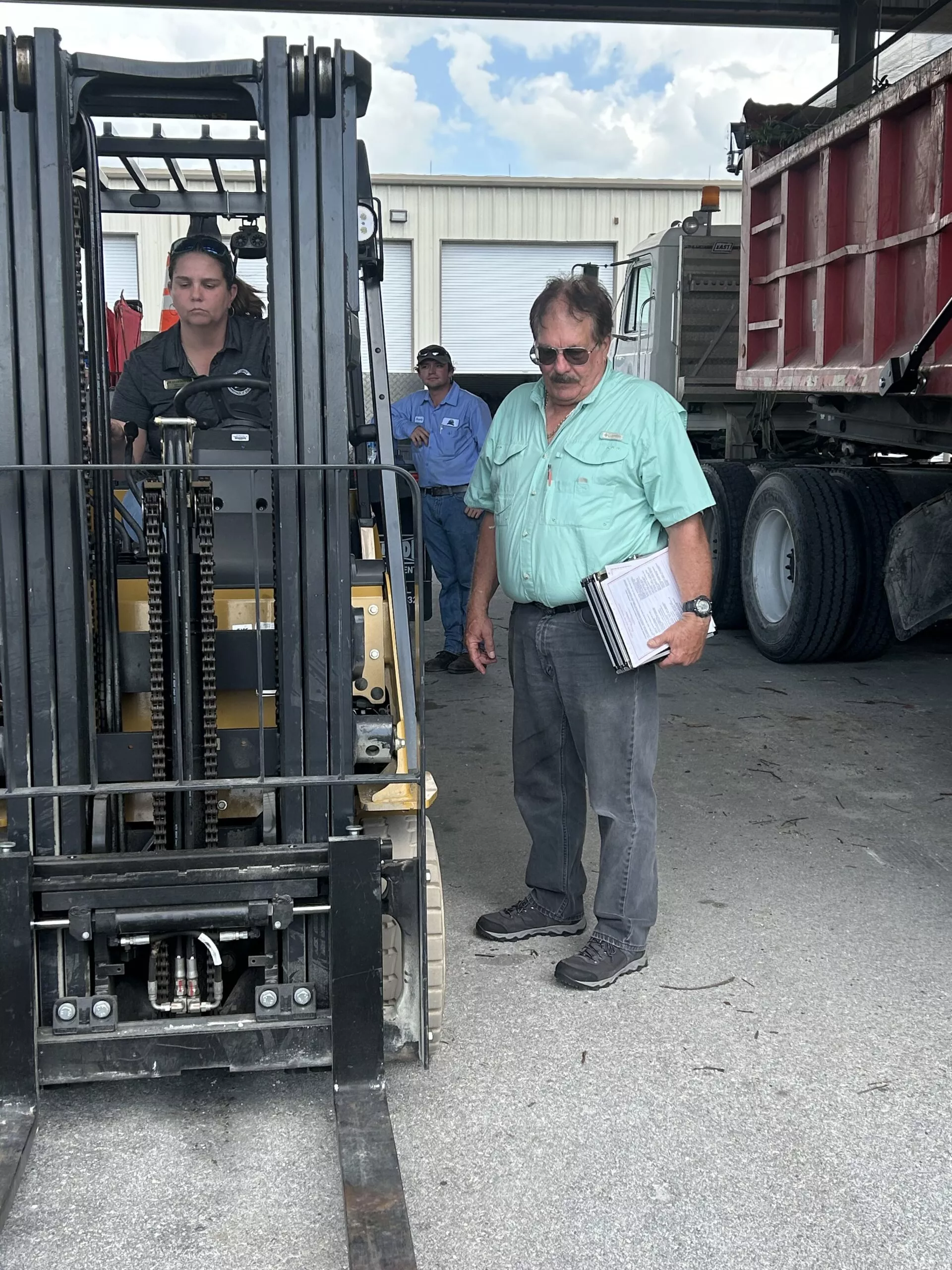
Public Works, Utilities & Equipment Instructor
Bob brings decades of utility operations, power-plant maintenance, municipal service, equipment operations, and workforce-training experience.
Meet Bob →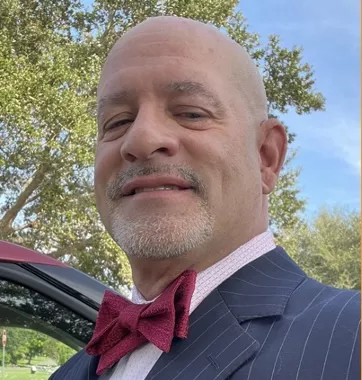
Construction, Management & Infrastructure Instructor
Perry brings more than 40 years of construction, public-infrastructure, management, organizational-improvement, and workforce-development experience.
Meet Perry →Continue building readiness
Frequently asked questions
No. The scope can address hurricanes, flooding, utility disruption, infrastructure damage, and other hazards relevant to the client’s responsibilities.
No. This is a Tampa Bay Training program. It does not imply FEMA endorsement or replace official requirements controlled by an agency, jurisdiction, employer, grant, or contract.
Yes, when appropriate and agreed in advance. TBT and the client should establish confidentiality, access, and document-handling expectations before sensitive materials are shared.
Yes, when separately included in the accepted scope. Formal exercise products, evaluation, after-action reporting, plan development, and implementation support are not automatic parts of the training.
TBT prepares a quote after confirming the audience, objectives, length, preparation, location, travel, activities, materials, and requested deliverables.

Start with a scoping conversation
Share the participating departments, approximate group size, primary hazards, operational responsibilities, preferred timing, Florida location, and the problems you want the program to address.
Policies & Customer Information
Practical workforce, safety, and leadership training for Florida local government, public works, utilities, engineering, construction, and infrastructure organizations.
© 2026 Tampa Bay Training All Rights Reserved | TBT Policies